

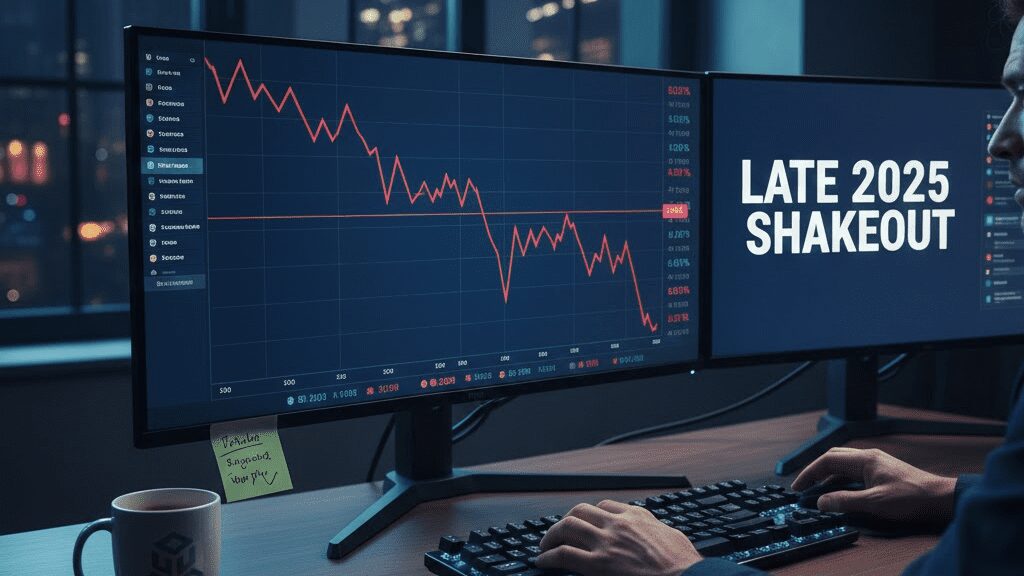
Crypto can feel like its own universe. New tokens launch, memes trend, and influencers call the next “big move.” But the biggest crypto story heading into 2026 is simpler than that: a sharp late-2025 market pullback showed, again, that leverage and macro headlines can move prices faster than any coin narrative.
This trend mattered because it hit during a period when many people thought crypto was becoming more “stable” due to more institutional money and easier access through regulated products. Instead, the market reminded everyone that crypto is still a high-volatility space where quick sentiment shifts can cause chain reactions.
Below is what drove the move, what it means for traders and long-term holders, and what to watch next.
The Big Trend: A Fast Sell-Off Fueled By De-Risking
Late in 2025, crypto prices fell quickly after earlier strength in the year. The story was not one single event. It was a stack of pressure that pushed traders to reduce risk:
- Risk-off mood across markets
- Policy headlines that changed expectations
- Heavy leverage built up during the prior run
- Automated liquidations that forced more selling
When these pieces show up together, crypto can drop hard in hours, not weeks. That is because a lot of crypto trading is still driven by short-term positioning, not slow-moving fundamentals.
Why Macro Headlines Hit Crypto So Hard
Crypto often reacts to the same fears that hit stocks, especially when big investors are involved. When the market worries about things like trade shocks, tighter financial conditions, or slower growth, traders tend to cut exposure to assets that swing widely.
Bitcoin and major altcoins can behave like “risk assets” in those moments. That means they often fall when investors rush into safer areas, such as cash or short-term government bonds. Even if crypto has long-term believers, short-term money can still dominate the tape.
Policy News Changes Expectations Fast
Policy headlines can change how people think about inflation, interest rates, and global demand. That matters for crypto because crypto rallies tend to be strongest when money is easier and confidence is high.
If headlines suggest the opposite, traders may sell first and ask questions later. In crypto, that first wave of selling can trigger the second wave, which is liquidations.
The Leverage Problem: How A Normal Dip Turns Into A Crash
Leverage is one of the biggest reasons crypto moves feel extreme. Many traders use borrowed funds through perpetual futures and margin. That can boost gains in a rally, but it also creates a trap.
Here is the simple chain reaction:
- Price drops a bit
- Leveraged long positions get close to liquidation
- Exchanges auto-close those positions
- Forced selling pushes price lower
- More positions get liquidated
- The cycle repeats
This is why you can see sudden “waterfall” candles that look irrational. It is not always a change in long-term belief. It is often math and automation.
Why Liquidations Hit Altcoins Even Harder
Altcoins usually have thinner liquidity than bitcoin. So when liquidations begin, altcoins can fall more, faster. A smaller order can move price further. That can also increase panic, because traders see bigger red numbers and rush to exit.
Why Crypto Feels More Connected To Stocks Now
Crypto is not just retail traders anymore. More professional investors now trade bitcoin and other major assets. That can bring benefits like deeper markets, but it also brings stock-market behavior.
When portfolios rebalance, crypto can be sold for the same reason a tech stock gets sold: it is considered a higher-risk part of the basket.
Here are a few reasons this link has grown:
- More institutional participation means shared risk models
- Easier access products make it simpler to buy and sell quickly
- Macro-driven positioning matters more when larger players are involved
This does not mean crypto has no unique drivers. It just means that, during stress, the macro wave can drown out everything else.
What This Means For Regular Readers And New Investors
If you are not trading with leverage, these shakeouts can still affect you emotionally. Big drops create fear and confusion. The key is to separate market structure from project quality.
A leverage-driven sell-off is mostly about positioning, not necessarily about a crypto project failing overnight. That said, sharp downturns often expose weak projects, shady leverage, and bad risk controls. So the “cleanup” effect can be real.
Practical Lessons From This Trend
- If you do not understand leverage, avoid it.
Many beginners get wiped out because they treat leverage like a shortcut. - Expect crypto to overreact to headlines.
The market often moves before the full story is clear. - Have a plan before volatility hits.
Panic decisions usually happen when people never set rules. - Size your risk like crypto is crypto.
If a move would wreck your sleep, the position is too big.
What To Watch In Early 2026
This sell-off trend also sets up the next phase. After a liquidation-heavy drop, markets often enter a “reset” period. That is when leverage is lower, weak hands are gone, and price action becomes more selective.
Here are the key things to watch:
Macro Mood And Interest-Rate Expectations
Crypto often does better when the market expects easier conditions. If the macro environment stays tight or uncertain, rallies may be choppy and shorter.
Regulation And Enforcement Headlines
Regulation can cut both ways. Clearer rules can support long-term adoption, but sudden enforcement actions can hurt sentiment. For readers, the main point is this: policy is now a major price driver, not a side topic.
Liquidity And Stablecoin Flows
In simple terms, liquidity is the fuel. When more liquidity enters the crypto system, risk appetite usually improves. When liquidity leaves, prices can struggle.
Bitcoin Versus Altcoin Behavior
After shakeouts, bitcoin often stabilizes first because it has deeper liquidity and stronger market confidence. Altcoins may lag until the market feels safe again.
Key Takeaways
- The late-2025 pullback was driven by risk-off mood plus leverage unwinds
- Macro and policy headlines can hit crypto fast because crypto is still highly reactive
- Liquidations create feedback loops that make drops look worse than “normal selling”
- Crypto has become more connected to broader markets, especially during stress
- Early 2026 will likely be shaped by macro expectations, regulation news, and liquidity trends
This article is for information only and is not financial advice.