

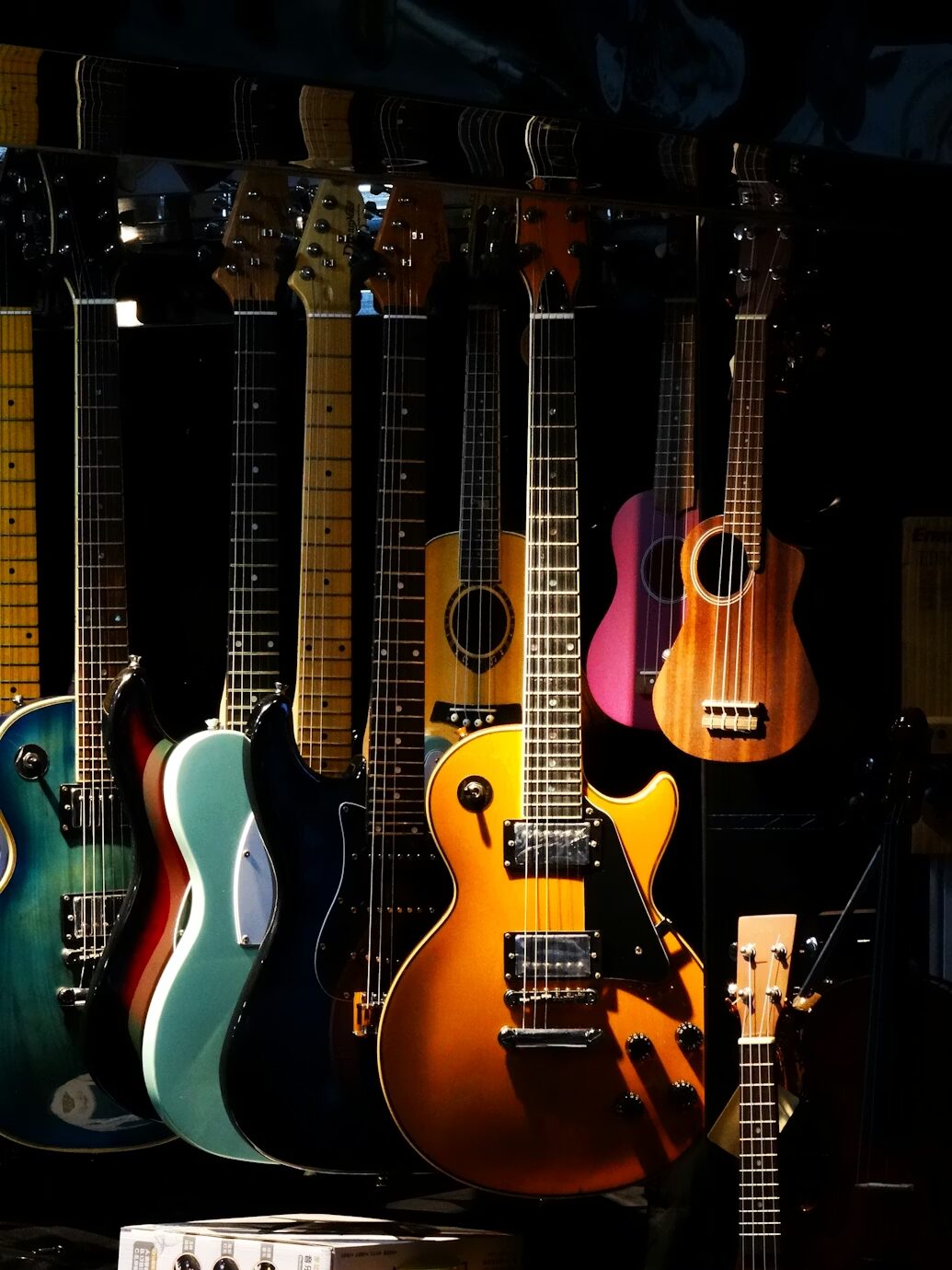
Music and gaming have long shared a dynamic relationship, but few instruments have left as lasting an imprint on the gaming world as the guitar. From the early days of rhythm-based arcade games to the modern era of immersive music simulations, guitars have not only shaped gameplay mechanics but also influenced the way players experience music.
The Rise of Rhythm Games
The music gaming genre gained mainstream traction in the early 2000s with the introduction of games like Guitar Hero and Rock Band. These titles revolutionized the industry by translating the experience of playing a real instrument into a fun, interactive challenge. Players could now strum, tap, and hit notes in time with popular songs, bridging the gap between virtual gaming and real-world musical performance. The success of these games demonstrated that music could be both a challenge and a form of entertainment in a digital space.
Guitars as the Centerpiece
The choice of the guitar as the central instrument in these games was no accident. Its versatility across genres, from rock to metal to pop, made it instantly recognizable and appealing to a wide audience. The guitar’s iconic status in music culture allowed players to feel like rock stars, even if they had never picked up an instrument in real life. Many players found themselves inspired to learn real instruments after mastering virtual ones, highlighting the guitar’s influence beyond gaming screens. Today, you can explore the latest in guitars to see how this iconic instrument continues to evolve both on stage and in games.
Gameplay Mechanics and Innovation
The design of guitar-based controllers was a key innovation that set music games apart. Unlike standard gamepads, these controllers mimic the feel of an actual guitar, with strum bars, fret buttons, and even tilt sensors for special moves. This physical interaction adds a layer of skill and immersion, making gameplay both intuitive and challenging. Developers also experimented with multiplayer modes, allowing friends and family to form virtual bands, which turned living rooms into concert halls and social hubs for music lovers.
Impact on Music and Culture
Beyond gameplay, guitar-focused music games reshaped cultural perceptions of music and gaming. They introduced younger audiences to classic rock, metal, and other genres they might not have encountered otherwise. Players could explore entire discographies, experience live concerts virtually, and develop an appreciation for music theory and rhythm. These games also spawned competitive tournaments and online communities, where players could showcase their skills and share their passion for music.
The Legacy Continues
While the popularity of guitar-centric music games has fluctuated over the years, their influence remains strong. Modern titles continue to draw inspiration from the mechanics and excitement pioneered by these early games. Guitars, both virtual and real, remain a symbol of musical freedom, creativity, and fun. For aspiring musicians and gamers alike, the connection between the two worlds offers endless possibilities for learning, performing, and enjoying music in new ways.
In essence, the guitar has done more than entertain; it has built bridges between players, fans, and music itself, shaping the very rhythm of the gaming world.