

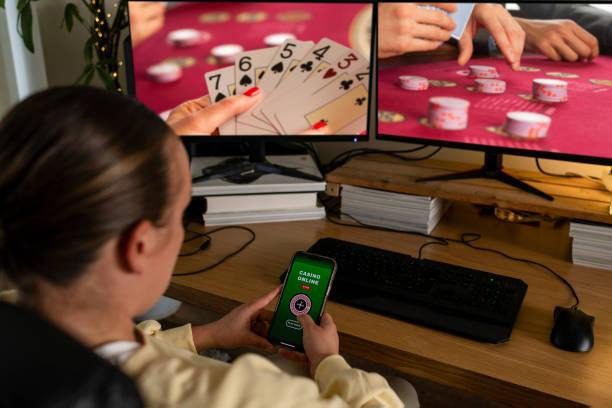
Something interesting has been happening with online casinos over the last few years, and if you’ve logged into one recently, you’ve probably noticed it yourself. These sites don’t really feel like casinos anymore, at least not in the traditional sense. They’re starting to look and feel more like entertainment hubs where gambling just happens to be one of many things you can do.
I remember when online casinos were pretty straightforward. You’d log in, pick a slot machine or blackjack table, place your bets, and that was basically it. Now? There are achievement systems, daily missions, live streams, social feeds, and games that don’t even involve real money gambling. It’s a completely different beast.
And this isn’t happening by accident. Casino operators have been watching how companies like Netflix and Spotify hook users, and they’re applying those same principles. Whether that’s innovation or just clever marketing wrapped in fancy features is something worth thinking about.
The Entertainment Platform Playbook
Here’s the thing: streaming services figured out years ago that just offering content wasn’t enough. Netflix doesn’t just let you watch shows; it learns what you like, suggests new things, lets you create profiles, and makes the whole experience feel personalised. Spotify does the same with music. They built ecosystems, not just libraries.
Online casinos took notes.
Walk into most modern casino platforms today and you’ll find loyalty programs that work like video game levelling systems. You’re not just earning comp points; you’re unlocking achievements, climbing leaderboards, and completing daily challenges. Some of these challenges don’t even require you to bet much money. They’re designed to keep you coming back, to make checking in feel like part of your routine.
If you look at the About Sun Vegas Casino page, you’ll see how they position themselves. It’s not “come gamble with us”; it’s more about the overall experience, the variety, and the community aspects. That’s standard across the industry now. Everyone wants to be seen as an entertainment destination first, casino second.
What really caught my attention is how many non-gambling features have crept in. Strategy guides, news sections, casual games you can play for free, and tournament viewing modes. It’s like they’re trying to give you reasons to hang around even when you’re not in the mood to bet. Smart? Absolutely. A little concerning? Maybe.
Live Streaming and Social Features
Live dealer games aren’t exactly new; they’ve been around for a while. But what’s happening now goes way beyond having a real person deal cards over video.
Some platforms are broadcasting full tournaments now. You can watch other players compete, follow along with commentary, and even get behind-the-scenes looks at how games are developed. A few sites have partnered with gambling influencers who stream their sessions, and suddenly you’re not just gambling; you’re watching gambling content as entertainment.
Then there’s the social stuff. Chat rooms in games, friend lists, and the ability to broadcast your big wins to your social media. I’ve seen platforms where you can literally spectate other people’s games without betting yourself, just like you’d watch someone play Fortnite on Twitch. It’s borrowed directly from gaming culture, and it works.
But here’s where it gets tricky. When you add gamification, social pressure, and constant engagement hooks, are you making it harder for people to recognise when they’ve got a problem? Some operators have added time limits and reality check popups. Others seem more interested in keeping engagement metrics climbing. The industry’s still figuring this out, honestly.
Content Diversity Beyond Traditional Casino Games
The game selection these days is wild. Sure, you’ve got your hundreds of slot machines and the standard blackjack and roulette tables. But scroll through a modern casino lobby and you’ll also find:
- Skill-based games that feel more like mobile gaming than gambling
- Instant scratch cards for when you’ve got two minutes to kill
- Virtual horse racing and sports simulations
- Arcade games that barely involve betting
- Quiz shows and trivia competitions with prize pools
This isn’t random. It’s a deliberate strategy to cast a wider net. Someone who’d never touch a slot machine might get drawn in by a skill game or a branded quiz show. And once you’re on the platform, well, maybe you’ll try the other stuff too.
Brand partnerships have become huge. You’ll find games themed around popular TV shows, movies, and musicians; stuff you already know and like. It makes the platform feel less intimidating, more familiar. Less “casino” and more “entertainment site that happens to have casino games.”
From a business angle, it’s working. People are spending more time on these platforms, coming back more often. Whether that’s actually good for the players or just makes it easier to lose track of time and money is the uncomfortable question nobody really wants to answer.
The Mobile-First Transformation
Mobile changed everything. Had to, really; you can’t just shrink a desktop casino site and expect it to work on a phone screen.
Casino apps now feel like entertainment apps. They’re sleek, fast, and designed for quick sessions while you’re waiting for coffee or riding the bus. Push notifications remind you about new games or special offers. Some apps have exclusive features you can’t get on the browser version, basically forcing you to download if you want the full experience.
I’ve even seen apps experimenting with augmented reality features and location-based bonuses. Things that only make sense on mobile, that wouldn’t work sitting at your computer.
Game developers have adapted too. They’re making games specifically for portrait mode now, optimised for thumb controls, and designed to load in seconds rather than minutes. The whole experience is faster, lighter, and more immediate. Sometimes that means sacrificing visual detail, but speed matters more on mobile.
So where does all this leave us? Online casinos aren’t really casinos anymore; they’re entertainment platforms with gambling features. Whether that’s ultimately good or bad depends a lot on how responsibly these engagement tools get used.
What’s undeniable is that the old model is gone. The simple “log in and gamble” casino site is being replaced by something much more sophisticated, something designed to capture and hold your attention in ways that go far beyond the games themselves. The real challenge now, for regulators, for operators, and for players, is figuring out how to keep appropriate guardrails in place as these platforms get increasingly good at what they do.